
Tell your instructor what the worry is
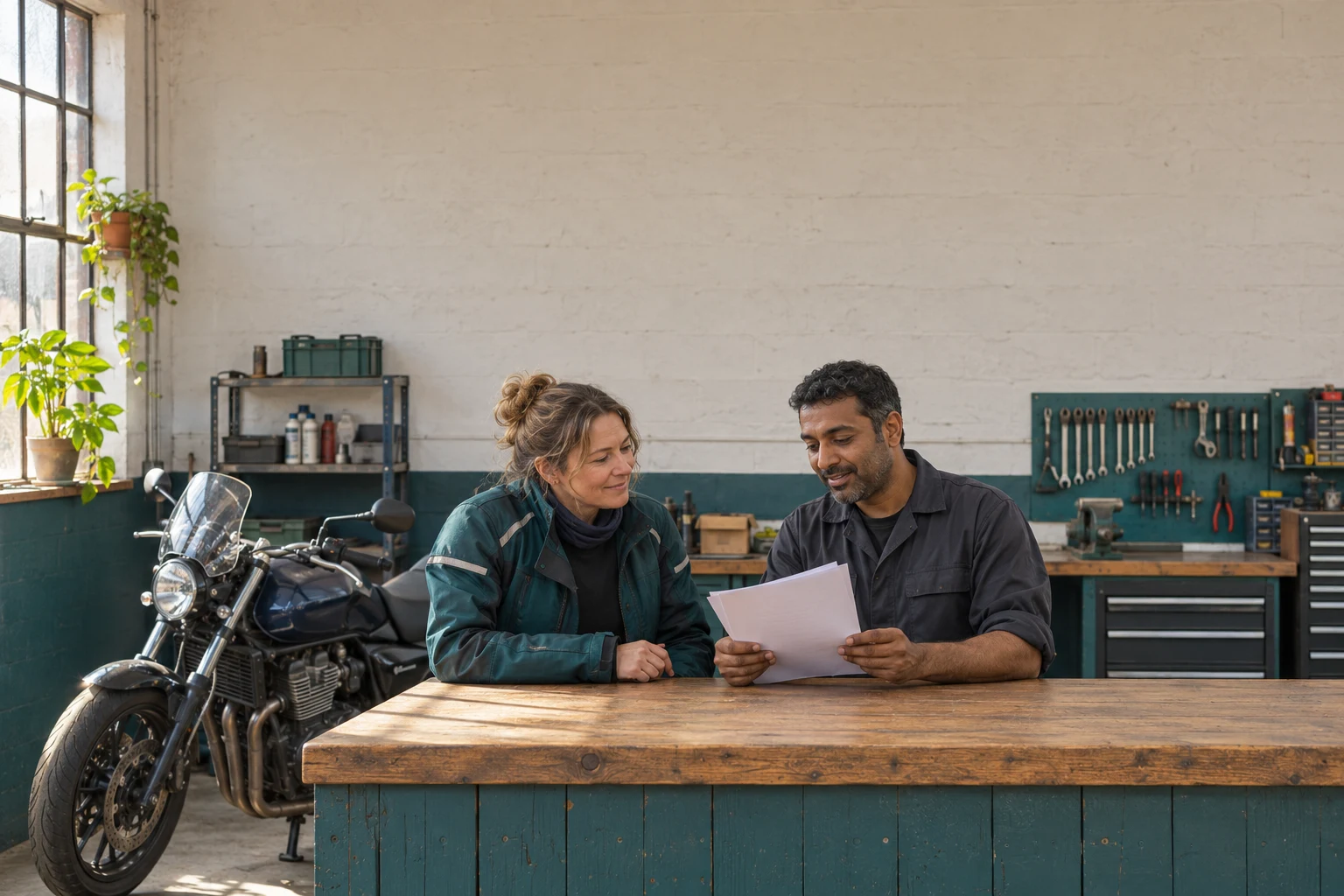
Before the next lesson, write down the part you keep thinking about. It might be forgetting directions, making a mistake while someone watches, or having to tell your riding friends that you did not pass. These are different conversations. Give your instructor something specific to respond to rather than expecting them to guess from a tense lesson.
You could say, “I understand the exercise when we talk about it, but I feel under pressure when it is my turn. Can we talk through what is expected?” Ask which questions belong with the training school and which need an official answer from the test provider. An instructor can explain training arrangements; they do not have to become your counsellor.
The NHS suggests talking about feelings with someone you trust or a health professional when dealing with anxiety. A conversation with a friend outside the riding group is another option if the group’s enthusiasm has started to feel like an expectation.[2]
Replace test rumours with the official explanation
For the module 2 on-road test described on GOV.UK, the examiner gives directions by radio. During independent riding, you can ask for directions to be repeated if you forget them. Going off the route does not itself mean you fail.[1]
That is a useful distinction to discuss with your instructor if remembering a route has become the focus of your worry. It is not permission to stop paying attention to the road or to treat a dangerous manoeuvre as harmless. Ask your instructor to explain the difference between a navigation error and unsafe riding.
Use the official test information that applies where you are taking it. This example concerns the GOV.UK module 2 guidance; if you are testing in Northern Ireland, confirm the arrangements with your training school and the local test provider. Avoid building your preparation around a friend’s recollection of a different test or an old video.
Give the day some breathing space
Ask the school what arrival time to plan for, what you need to bring and who to contact if there is a problem. Put the answers somewhere you can find without scrolling through a busy group chat. Check your travel arrangements before the morning itself, including how you will get home if plans change.
If you can, keep the time immediately afterwards free of commitments that depend on passing. Booking a celebratory ride or promising someone a lift can attach another expectation to an already important day. You can decide what comes next once you know the result and have spoken with your instructor.
Agree who needs to know the date. There is no need to provide live updates to everyone in the club. A simple message such as “I’ll let you know when I’m ready to talk about it” can set a boundary without turning your test into a secret.
Keep the result separate from your place in the group
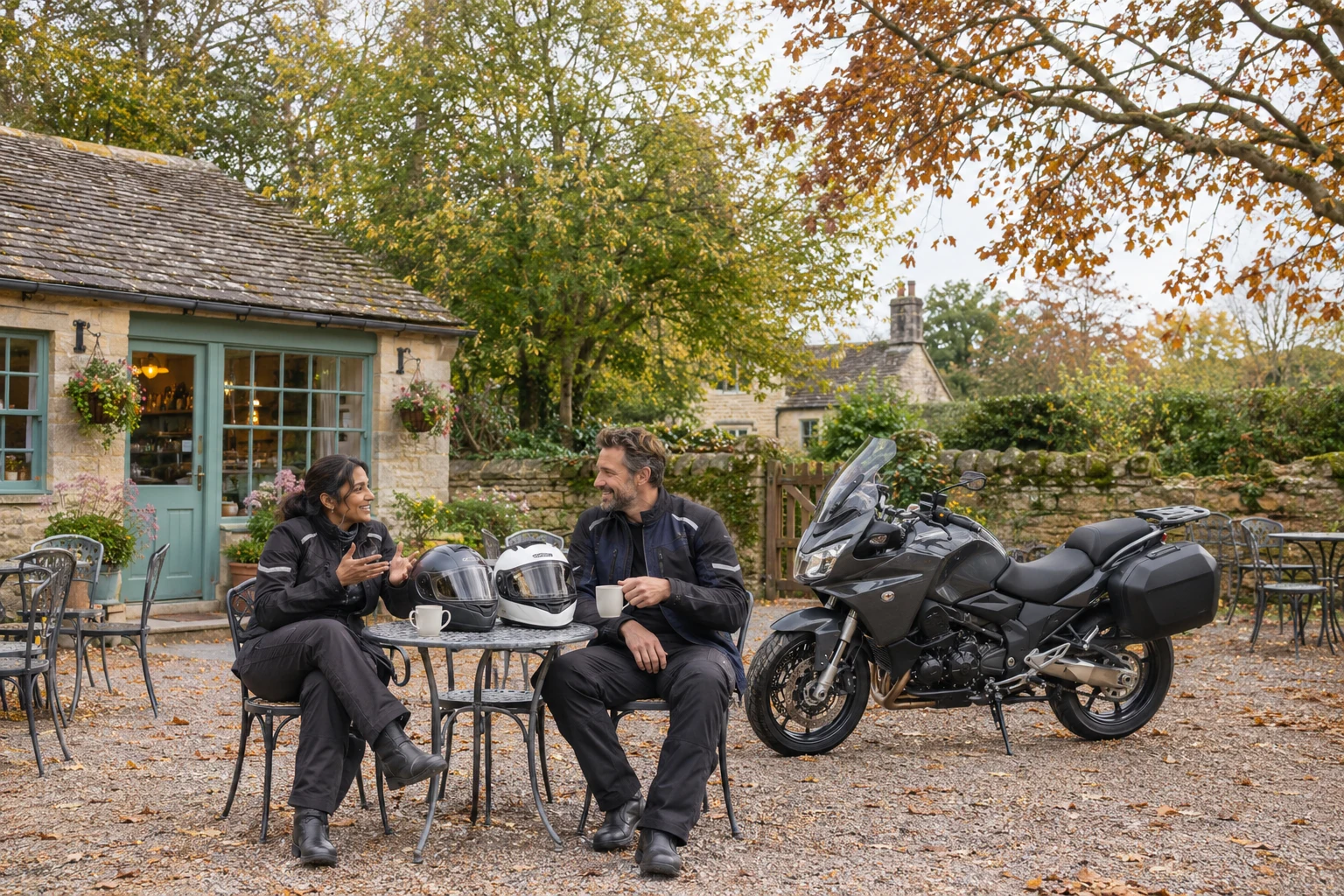
If friends are planning a ride you cannot yet join, ask about meeting them at the cafe another way. You can enjoy their company without setting a deadline for becoming the rider you imagine they expect. Be clear that the invitation should not depend on a pass certificate.
After the test, give yourself time before deciding what to share publicly. If it has not gone as hoped, ask your instructor to help you understand the feedback and discuss the next training conversation. You do not need to analyse every moment with a dozen people in a messaging thread.
For riding friends, ask whether the learner wants company, practical help or some space. Avoid promises that they will definitely pass next time. Offer something you can genuinely do, such as meeting afterwards without making the conversation all about the result.
Ask for support when worry is affecting daily life
If you are struggling to cope with anxiety, or what you have tried is not helping, the NHS recommends speaking to a GP. Do not diagnose yourself from a test-day feeling or use this article to decide whether you are medically fit to ride.[2]
For someone to talk to, Samaritans is free on 116 123, day or night, across the UK and Ireland.[3] In England, for urgent mental health help, call NHS 111 and choose the mental health option. Call 999 in an emergency, including if you cannot keep yourself or someone else safe.[4] Outside England, check your nation’s urgent mental health route; 999 remains the emergency number.
For now, choose one question to take to your instructor and one person you would like in your corner. You can also explore the Bikers’ Mind hub for community perspectives beyond the test itself.