

If you are too tired to work safely, pause and raise it before starting the next job. HSE treats fatigue as a workplace hazard: it can slow reactions, reduce attention and make mistakes more likely.[4]
On a farm, that conversation needs to reach the actual work: the early feed round, the delayed delivery and who is still answering calls after supper. This is general information and signposting for farmers, farm workers and farming families, not a medical assessment or a farm safety plan.
Describe the hours you are actually working
Start with a recent working day, including the bits that never reach a timesheet. Note the first task, the last call, interrupted breaks and any overnight work. If you have another job or caring responsibilities, include those in the conversation rather than presenting the farm hours as the whole picture.
HSE identifies working hours, workload and the timing and length of breaks as factors to consider when managing fatigue.[4] Use your notes to ask where the present arrangement needs reviewing. You do not need to prove you are the most exhausted person on the farm before saying that something needs to change.
Be specific about what you have noticed. Perhaps you have reread the same delivery note several times or lost track during a handover. These are examples to help describe your experience, not a checklist that diagnoses fatigue or decides whether you are fit for a particular task.
Agree what happens when someone says they cannot continue
Ask the person organising the work how to raise a tiredness concern and who can change the day’s plan. If you work with relatives, name that person anyway. A family relationship should not leave everyone guessing who will arrange cover or decide what can wait.
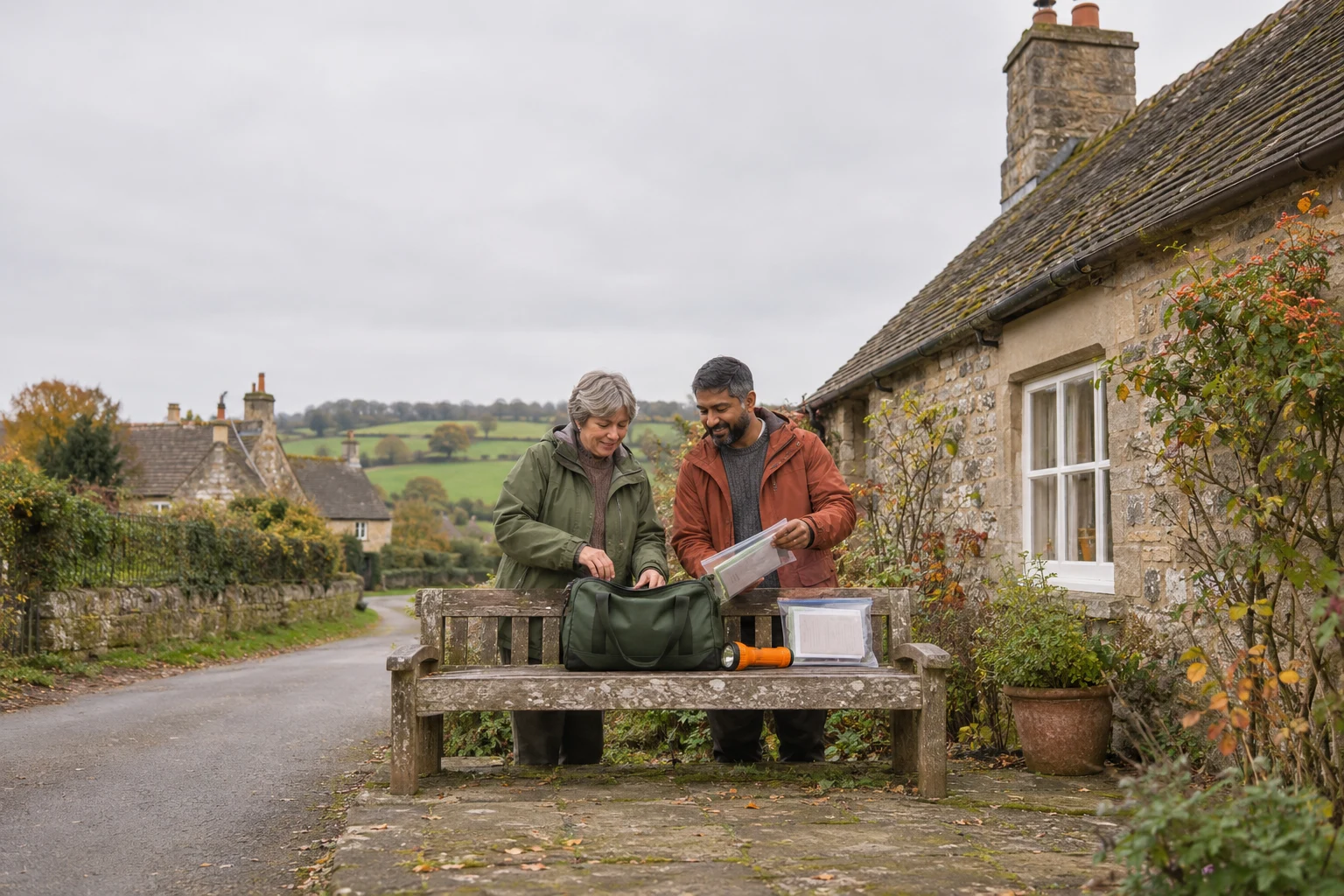
Before the next busy period, discuss how a job would be paused safely and handed to someone suitably trained and able to do it. Follow the farm’s task-specific safety arrangements. Do not use this article as instructions for stopping machinery or handling livestock.
HSE’s guidance recommends consulting workers about working patterns and monitoring actual hours, including overtime and on-call work.[4] For a farm team, a useful starting question is whether people can report that the plan is not working without being pressured to carry on. HSE is the Great Britain regulator; this is general preparation, not advice on employment law.
Make the break possible in practice
A suggested break needs an answer to the practical question: who is covering? Agree which calls another person will take, when the handover happens and how an urgent issue will reach them. If no suitable cover is available, take that gap back to the person responsible for organising the work rather than treating an unconfirmed offer as an arrangement.
Look beyond tomorrow morning too. HSE says prolonged exertion and sleep loss can contribute to fatigue, and that working arrangements need time for rest and recovery.[4] Ask whether the next few days repeat the same early starts and late finishes, even if each individual day looks manageable on paper.
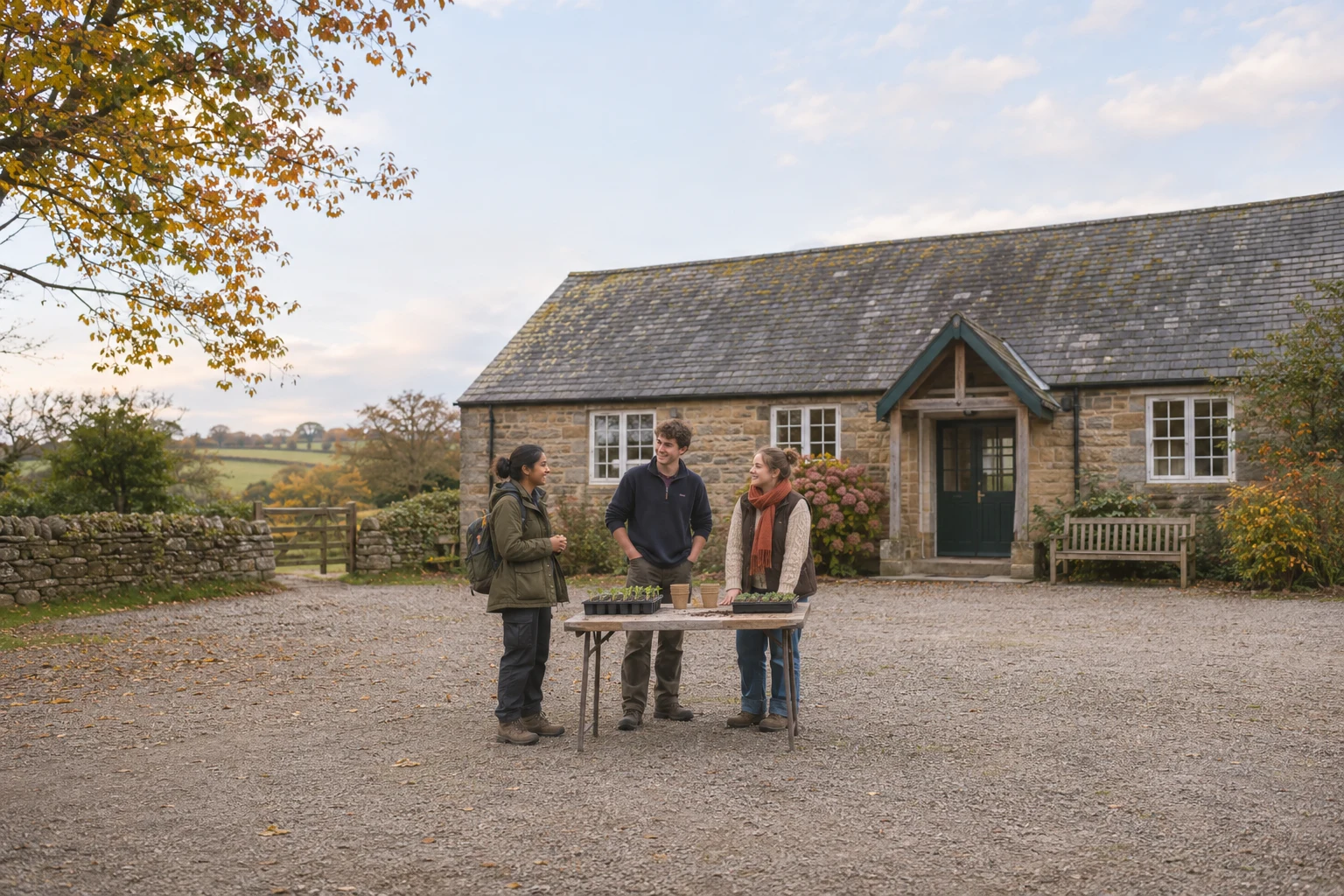
A flask at the gate can be a welcome pause. It does not settle questions about workload, recovery or whether someone can safely return to the next task. Keep those questions separate from whether everyone has had a drink.
Do not explain away continuing tiredness
Not all tiredness comes from the rota. The NHS lists several possible causes, including insufficient sleep, stress, illness and some medicines, and advises against self-diagnosis.[5] Avoid deciding that you or a colleague simply needs to toughen up, or assigning a medical explanation yourself.
The NHS recommends seeing a GP if tiredness has lasted a few weeks without a clear reason, affects daily life, or comes with certain other symptoms.[5] Explain what your days and nights involve. Brief notes about sleep, working hours and how you feel may help you describe the problem, but completing a diary is not a condition of asking for help.
If arranging an appointment means finding cover for the stock round, ask for that specific help. Keep the health conversation and the work arrangements moving alongside each other rather than waiting for one to solve the other.
Choose a next step before tomorrow’s start
Choose one conversation today: tell the person organising the work what is becoming difficult, agree a confirmed handover, or contact your GP about continuing tiredness. Set a time to check whether an agreed change actually happened. You can explore the Rural Mind hub for related farming and rural reading.[9]
If there is more behind the exhaustion and you need someone to talk to, call Samaritans free on 116 123, day or night.[6] For urgent mental health help in England, call NHS 111 and choose the mental health option. In an emergency, including if you cannot keep yourself or someone else safe, call 999 or go to A&E now.[7]
Sources
[5] NHS: Tiredness and fatigue
[6] Samaritans: Contact a Samaritan